

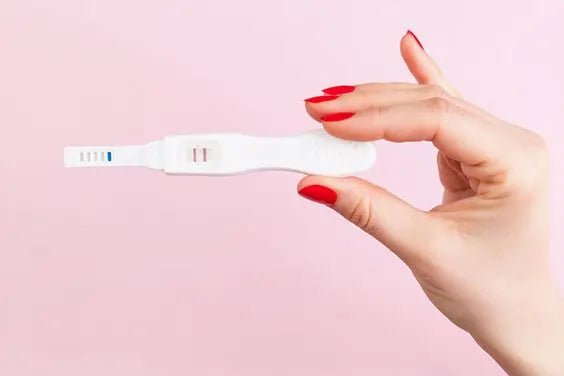
Introduction: Understanding the Hormones-Fertility Connection
Female fertility is deeply connected to hormonal balance. When your hormones work in harmony, menstrual cycles tend to become more regular, ovulation more predictable, and your body better prepared for conception. Conversely, hormonal imbalances can disrupt these mechanisms and make the journey to pregnancy more complex.
Worldwide, many women of childbearing age experience fertility challenges, often linked to conditions such as polycystic ovary syndrome (PCOS), thyroid disorders, chronic stress, or insulin imbalances. This comprehensive guide explores how supporting hormonal balance through lifestyle, nutrition, and traditional herbal remedies may help create more favorable conditions for fertility.
Important Note: This article is provided for informational purposes only and does not replace medical advice. Fertility issues can have multiple causes and results vary from person to person. Always consult a qualified healthcare professional before making changes to your health routine.
What is Hormonal Balance and Why Does it Matter for Fertility?
Hormonal balance refers to the optimal interaction of key hormones involved in the reproductive cycle. These hormones influence ovulation, implantation, and overall reproductive health.
Key Hormones Involved in Fertility
Estrogen – Supports follicular development and prepares the uterine lining for implantation
Progesterone – Helps maintain the endometrium after ovulation and supports early pregnancy
FSH & LH – Regulate follicle maturation and trigger ovulation
Androgens – Needed in small amounts, but can disrupt ovulation when elevated
Insulin – Influences ovarian hormone production and cycle regularity
Cortisol – Chronic excess can interfere with reproductive hormones and ovulation
When these hormones are in balance, your body creates the optimal environment for conception. When they're out of sync, fertility challenges may arise.
Signs Your Hormones May Be Out of Balance
Some women may experience:
- Irregular, absent, or unpredictable menstrual cycles
- Very heavy or very light periods
- Severe premenstrual syndrome (PMS)
- Persistent adult acne, especially along the jawline
- Unexplained weight changes, particularly around the abdomen
- Excessive hair growth in unwanted areas (hirsutism)
- Chronic fatigue or sleep disturbances
- Difficulty conceiving after 12 months of regular unprotected intercourse
These signs don't constitute a diagnosis but may warrant consultation with a healthcare professional who can run appropriate tests and provide personalized guidance.
PCOS and Fertility: A Common Challenge
Polycystic ovary syndrome (PCOS) is one of the most common endocrine disorders among women of reproductive age and is frequently associated with ovulation irregularities and fertility challenges.
How PCOS Can Influence Fertility
PCOS is commonly associated with:
Reduced insulin sensitivity – The body produces more insulin, which can stimulate the ovaries to produce excess androgens
Elevated androgen levels – Higher levels of male hormones can interfere with follicle maturation
Disrupted follicular development – Follicles may not mature properly, preventing regular ovulation
Irregular or absent ovulation – Without consistent ovulation, natural conception becomes more difficult
PCOS manifests very differently from person to person, which is why a personalized approach is essential. While PCOS is a significant fertility factor, many women with PCOS do conceive naturally with appropriate support and lifestyle modifications.
Natural Approaches to Supporting Hormonal Balance
A holistic approach to fertility aims to support the body as a whole rather than forcing specific outcomes. The goal is to create optimal conditions for your body's natural processes.
The most common supportive strategies include:
Balanced, anti-inflammatory nutrition – Choosing foods that support stable blood sugar and reduce inflammation
Gentle, regular physical activity – Movement that supports insulin sensitivity without overtaxing the system
Stress management and adequate rest – Reducing cortisol and supporting the body's natural rhythms
Traditional use of herbs – Plants that have been used for centuries to support female hormonal health
Herbs Traditionally Used to Support Hormonal Health
Across different cultures, certain plants have long been used to support female hormonal wellness. Scientific research continues to explore these traditional uses, and effects may vary among individuals.
1. Spearmint: Traditional Androgen Support
Traditionally used to support androgen balance in women. Some clinical studies suggest that regular consumption may help reduce free testosterone levels in women with PCOS. In one study, participants who drank spearmint tea twice daily for 30 days observed improvements in their hormonal profiles and reduction in hirsutism.
Traditional use: Androgen balance, hormonal skin support
2. Nettle: Mineral-Rich Hormonal Support
A nutrient-dense plant traditionally used to support overall hormonal balance and provide essential minerals important for reproductive health. Nettle is believed to bind to sex hormone-binding proteins, potentially helping to reduce circulating free androgens.
Traditional use: Hormonal balance, mineral support, reproductive wellness
3. Ashwagandha: Adaptogenic Stress Support
An Ayurvedic adaptogenic herb used to support the body's response to stress and promote endocrine system balance. Research suggests ashwagandha may reduce cortisol levels by an average of 28%, helping to restore the hypothalamic-pituitary-ovarian axis crucial for regular cycles.
Traditional use: Stress response, adrenal support, hormonal harmony
4. Cinnamon: Metabolic and Insulin Support
Commonly used to support glucose metabolism and insulin sensitivity. For women with PCOS, this action may be particularly beneficial as it helps address one of the root imbalances—the relationship between insulin and androgen production.
Traditional use: Blood sugar balance, insulin sensitivity, metabolic support
5. Mulberry Leaf: Glycemic Control Support
Traditionally used to moderate carbohydrate absorption and support metabolic balance. Rich in DNJ (deoxynojirimycin), mulberry leaf may help slow glucose absorption, supporting stable blood sugar levels and reducing inflammation.
Traditional use: Blood sugar modulation, metabolic wellness
6. Jujube: Sleep and Antioxidant Support
Used in various traditions to promote relaxation, improve sleep quality, and provide antioxidant support. Quality sleep is essential for fertility, and jujube naturally enhances rest while providing protective antioxidants for reproductive cells.
Traditional use: Sleep support, nervous system calm, antioxidant protection
7. Ginger: Anti-Inflammatory Support
Widely used to support digestion, circulation, and inflammatory balance. Chronic inflammation can disrupt ovulation and implantation, making ginger's anti-inflammatory properties particularly valuable for fertility support.
Traditional use: Circulation, inflammation modulation, digestive wellness
BAÏA Hormone Balance Brew: Your Daily Herbal Ritual
BAÏA Wellness developed the Hormone Balance Brew as a daily herbal infusion inspired by traditional wisdom and modern naturopathic practice, specifically formulated for women seeking natural hormonal support.
A Synergy of Carefully Selected Herbs
Each blend combines all seven herbs mentioned above in proportions studied by naturopaths specialized in female hormonal health:
- Organic spearmint for androgen balance support
- Nettle for hormonal and mineral support
- Ashwagandha for stress response and cortisol management
- Cinnamon for insulin sensitivity support
- Mulberry leaf for blood sugar stability
- Jujube for restorative sleep
- Ginger for anti-inflammatory support
This infusion is designed as a complementary wellness ritual and is not intended to diagnose, treat, cure, or prevent any disease.
What Users Most Commonly Report*
After 3-6 months of regular use alongside lifestyle changes, many users report:
- 85% feel more hormonally balanced and in tune with their bodies
- More regular cycles – Many notice a return to predictable menstrual patterns
- Clearer skin – Reduction in hormonal acne within 6-8 weeks
- Improved energy – More stable energy throughout the day
- Better sleep quality – Faster sleep onset and more restorative rest
*Individual experiences vary significantly and results are not guaranteed. These testimonials reflect personal experiences and should not be considered typical results.
How to Integrate the Tea into Your Fertility-Supportive Routine
Suggested use: 1-2 cups per day
Best timing: Morning on an empty stomach and evening before bed
Preparation: Steep 1 teaspoon in 200ml of hot water (80-85°C / 176-185°F) for 3-5 minutes
Recommended duration: Many women choose regular use over 3-6 months for cumulative support
Important: Consult a qualified healthcare professional before using herbs, especially if you are trying to conceive, pregnant, breastfeeding, or have a medical condition.
5 Lifestyle Habits That May Support Fertility
Beyond herbal support, lifestyle plays a crucial role in creating optimal conditions for conception.
1. Fertility-Supportive Nutrition
Prioritize:
- Whole, unprocessed foods
- Quality proteins (wild-caught fish, organic eggs, legumes)
- Healthy fats (avocado, nuts, seeds, olive oil)
- Leafy greens rich in folate
- Low to moderate glycemic index foods
Limit:
- Refined sugars and processed carbohydrates
- Trans fats and highly processed oils
- Excessive caffeine and alcohol
- Inflammatory foods
2. Active Stress Management
Chronic stress elevates cortisol, which can directly interfere with ovulation and hormonal balance. Consider integrating:
- 10-15 minutes of daily meditation or deep breathing
- Gentle yoga or nature walks
- Journaling to process emotions
- Regular digital detox periods
- Activities that bring genuine joy and relaxation
3. Optimize Your Sleep
Aim for 7-9 hours of quality sleep. Melatonin produced at night is a powerful antioxidant that protects egg quality and supports hormonal balance.
Sleep hygiene tips:
- Maintain a consistent sleep schedule
- Create complete darkness in your bedroom
- Keep room temperature cool (64-66°F / 18-19°C)
- Establish a calming bedtime routine (herbal tea, light reading, gentle stretching)
- Avoid screens 1-2 hours before bed
4. Move Your Body Intelligently
Regular exercise improves insulin sensitivity and helps regulate hormones, but excessive intense exercise can actually disrupt ovulation.
Ideal approach: 150 minutes of moderate activity per week
Beneficial activities:
- Brisk walking
- Swimming
- Yoga
- Pilates
- Light strength training
- Dancing
Avoid: Excessive high-intensity training or endurance exercise that may suppress ovulation
5. Maintain a Healthy Weight
Both underweight and overweight can influence hormonal function and ovulation. A BMI between 20-25 is generally considered optimal for fertility, though individual needs vary. Focus on nourishing your body rather than restrictive dieting.
When to Consult a Fertility Specialist
While natural approaches can be valuable and complementary, medical guidance is recommended if:
- No pregnancy has occurred after 12 months of regular unprotected intercourse (or 6 months if over 35)
- Menstrual cycles are absent for several consecutive months
- There is a history of recurrent miscarriages
- A reproductive or endocrine condition has been diagnosed (PCOS, endometriosis, thyroid disorder)
- Your partner has known male fertility factors
An integrative approach combining conventional medicine with lifestyle and natural support often provides the most comprehensive care.
Your 3-Month Fertility Action Plan
Month 1: Building Foundations
- Start your herbal routine with Hormone Balance Brew (1-2 cups daily)
- Clean up your diet by eliminating refined sugars and adopting anti-inflammatory eating
- Establish a sleep routine with consistent bed and wake times
- Begin cycle tracking to identify patterns and your fertile window
- Start a simple stress management practice (5-10 minutes daily)
Month 2: Deepening Support
- Integrate movement with 30 minutes of moderate activity 4-5 times per week
- Enhance stress practices with longer meditation or yoga sessions
- Consider supplements like prenatal vitamins with folate, vitamin D, omega-3s (consult your doctor)
- Track your progress by noting symptoms, cycle changes, energy levels
- Optimize your environment by reducing toxin exposure (switch to natural products)
Month 3: Consolidating Habits
- Maintain all established habits consistently
- Evaluate your progress in terms of cycle regularity, PCOS symptoms, overall wellness
- Adjust as needed with support from healthcare professionals
- Continue your herbal ritual to anchor results
- Celebrate small wins and practice self-compassion
Remember: Deep physiological changes take time. Be patient and kind to your body throughout this journey.
Real Stories: Women Who Found Their Balance*
Emma, 32 – London
"After 2 years of trying and a PCOS diagnosis, I felt hopeless. I started the Hormone Balance Brew alongside dietary changes recommended by my nutritionist. Within 4 months, my cycles became regular for the first time in years. I finally felt connected to my body again. While I can't say the tea alone was responsible, it became a comforting daily ritual that supported my entire wellness journey."
Sarah, 29 – Manchester
"My hormonal acne and unpredictable cycles made me feel out of control. The BAÏA tea became my morning ritual. In about 6 weeks, my skin started clearing, and I noticed more stable energy. After 5 months of consistent lifestyle changes including the tea, I got my positive pregnancy test. I'm grateful for all the pieces that came together."
Olivia, 34 – Bristol
"I was skeptical about natural approaches, but I decided to try everything. Combining the tea with better nutrition, stress management, and regular movement, I saw real changes: gradual weight loss, consistent 28-day cycles, and after 8 months, the pregnancy test I'd been hoping for. The tea felt like a gentle daily reminder to take care of myself."
These testimonials reflect individual experiences and should not be considered typical results. Fertility outcomes depend on numerous factors, and results vary significantly among individuals.
Frequently Asked Questions (FAQ)
Who can drink the Hormone Balance Brew?
The Hormone Balance Brew is designed for women experiencing hormonal imbalances at various life stages, including those with irregular periods, PCOS/PCOD, thyroid concerns, perimenopause, or general hormonal wellness goals. However, it's not recommended during pregnancy or while breastfeeding (wait at least 6 months postpartum).
How long does it take to see results?
Results vary significantly among individuals. Many women report noticing initial changes within 4-8 weeks, but meaningful hormonal shifts typically require 3-6 months of consistent use alongside supportive lifestyle changes. Hormonal balance is a gradual process that requires patience.
Can I drink this tea if I'm trying to conceive?
While the ingredients are traditionally used to support hormonal balance and fertility, we recommend consulting your healthcare provider or fertility specialist before starting any herbal regimen when actively trying to conceive. They can advise based on your specific situation.
How many cups should I drink per day?
We recommend 1-2 cups daily for optimal support. Some women start with one cup and gradually increase to two as they adjust to the herbs.
When is the best time to drink the tea?
The most beneficial times are typically first thing in the morning on an empty stomach and in the evening before bed. You can also enjoy it with your breakfast or as an afternoon ritual.
Will my symptoms return if I stop drinking the tea?
The goal is to support your body in finding its natural balance. If you've also implemented sustainable lifestyle changes (nutrition, stress management, sleep), you may maintain improvements even after reducing or stopping the tea. However, individual responses vary.
Can I drink this tea while on hormonal birth control?
While the herbs are generally considered safe, we recommend discussing with your healthcare provider before combining herbal supplements with hormonal contraceptives, as interactions may occur.
Is this tea safe for everyone?
While these herbs have been used traditionally for centuries, certain individuals should exercise caution: those with hormone-sensitive conditions, taking specific medications, pregnant, breastfeeding, or with known allergies to any ingredients. Always consult your healthcare provider first.
What if I have PCOS? Will this tea help?
Many women with PCOS find the herbal combination supportive for managing symptoms like irregular cycles, hormonal acne, and androgen-related concerns. However, PCOS is a complex condition requiring a comprehensive approach. This tea works best as part of an overall lifestyle strategy, not as a standalone treatment.
Can men drink this tea?
This formula was specifically designed for female hormonal support. While the ingredients aren't harmful to men, the blend is optimized for women's endocrine health.
How should I store the tea?
Store in a cool, dry place away from direct sunlight. Keep the container sealed to preserve freshness and potency.
Is the tea organic and natural?
Yes, the Hormone Balance Brew is made with 100% natural, organic herbs with no additives, artificial flavors, or preservatives.
What does the tea taste like?
The tea has a naturally pleasant, slightly sweet and minty flavor with warm spice notes from the cinnamon and ginger. Most users find it soothing and enjoyable without needing to add sweetener.
Can I drink this tea during my period?
Yes, you can drink the tea throughout your entire cycle, including during menstruation. Some women find it particularly soothing during their period.
Do you ship internationally?
We offer free UK shipping. For international shipping options and costs, please check our shipping policy or contact our customer service team.
What is your return policy?
We offer a 90-day money-back guarantee. If you're not satisfied with the product, contact us within 90 days of purchase for a full refund. Your satisfaction is our priority.
Conclusion: Your Fertility Journey Begins with Balance
Fertility depends on numerous interconnected factors, including hormonal balance, lifestyle, and overall wellness. Supporting your body gently and consistently may help create more favorable terrain for conception.
The Hormone Balance Brew from BAÏA Wellness was designed as a daily wellness ritual to complement a balanced lifestyle. Deep changes take time—patience and self-compassion are integral parts of the journey.
Remember: this tea is a supportive tool, not a magic solution. The most powerful results come from combining herbal support with comprehensive lifestyle changes, stress management, and when needed, guidance from healthcare professionals.
Ready to Start Your Natural Fertility Journey?
Discover the Hormone Balance Brew and join thousands of women who are supporting their hormonal balance naturally.
✨ 90-Day Money-Back Guarantee
🌿 100% Natural & Organic Formula
🇬🇧 Free UK Shipping
💚 Formulated by Expert Naturopaths
🔬 Backed by Traditional Use & Modern Research
👉 Shop Hormone Balance Brew Now
Medical Disclaimer: This content is provided for general informational purposes only and is not intended as medical advice, diagnosis, or treatment. Always seek the advice of your physician or other qualified health provider with any questions you may have regarding a medical condition or fertility concerns. Never disregard professional medical advice or delay seeking it because of something you have read in this article. Individual results may vary.
Share:
How I Naturally Relieved My PCOS Symptoms After Years of Struggle